Buying guides
Diamond Painting Canvas Sizes Explained: 20×20, 30×40, 40×50 and Beyond
Understand finished canvas dimensions, image detail, drill types and how to choose a size that suits your design, available time and framing plans.
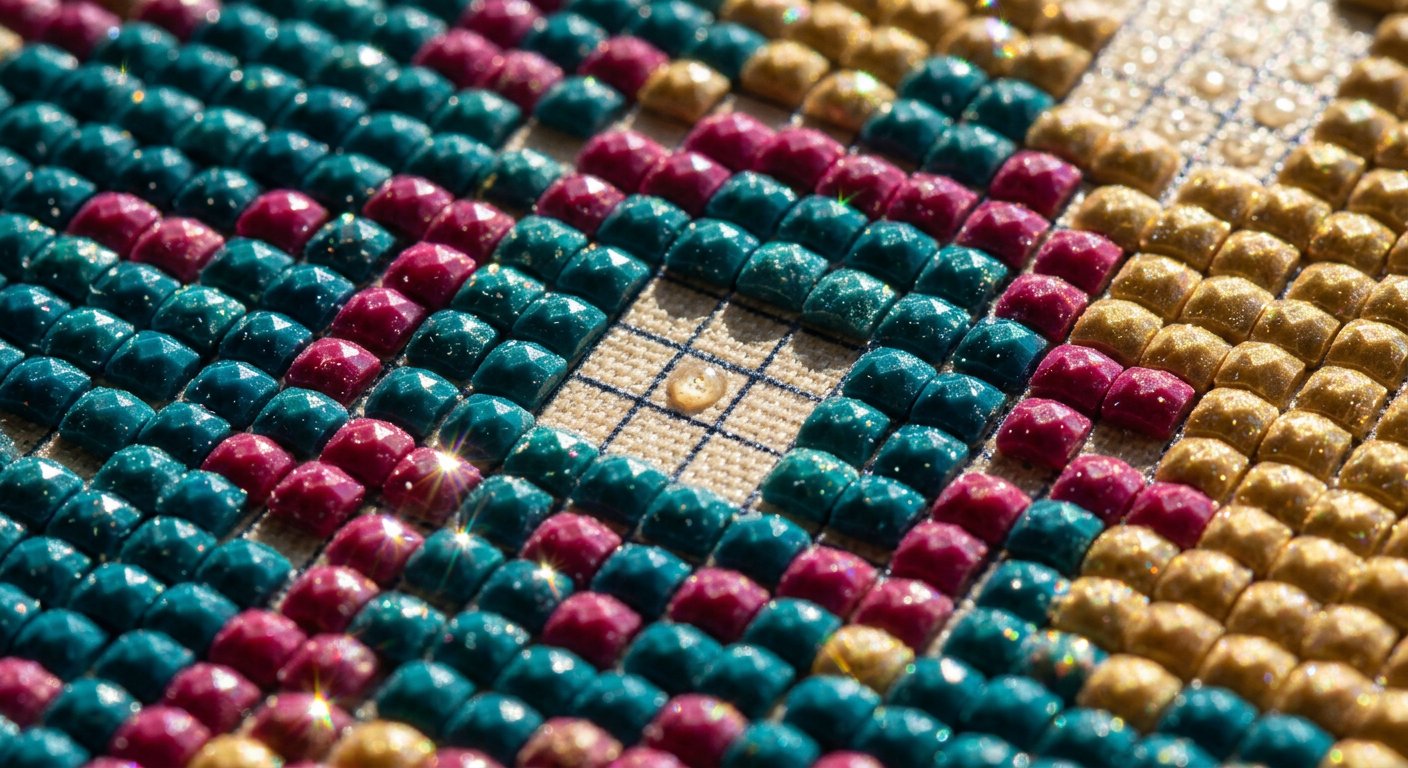
Canvas dimensions affect detail, working time and display space. This guide explains why a 30×40 centimetre kit may not have a 30×40 image area, how drill shape changes the finish, and how to choose a practical size.
Read the dimensions carefully
Listings may state the whole canvas size or only the printed image area. The blank border is useful for handling and framing, so those numbers are not interchangeable. Check the product diagram and ask the seller if the measurement is unclear. Also verify whether dimensions are in centimetres or inches; a 40×50 cm canvas is about 16×20 inches, not 40×50 inches.
Size and image detail
A small design with broad colour blocks can read clearly at 20×20 or 30×40 cm. A portrait, lettering or busy landscape usually needs more area so the symbol grid can represent transitions without turning faces and fine lines into noise. Upsizing cannot rescue a poor source image, however. Ask for a close-up preview of the chart or finished-size rendering rather than judging a tiny listing thumbnail.
Estimate the commitment
A larger full-drill canvas contains more placements and generally takes longer. The exact time depends on drill shape, colour changes, working pace and how much of each session is spent sorting. If you want a weekend project, choose a modest image with fewer colour changes. A large canvas is better treated as a long-running project with storage space reserved for it.
Round and square drills
Round drills have small gaps and are forgiving to position; square drills can create a continuous surface but need more accurate placement. Shape does not determine quality by itself. Check drill consistency, colour accuracy and whether the canvas chart is legible. Our round-versus-square article explains the practical differences in more detail.
Framing and border
Measure the drilled image and the outer canvas separately before ordering a frame. Leave enough border to mount the canvas without covering the first or last row. A frame with glazing may press against raised drills; spacers or a frame without glass can help, depending on dust and display conditions. Test your chosen method with a small finished piece first.
A quick choice
For a first project, choose a simple image around 30×40 cm, with a clear preview and a stated full-drill finish. For a portrait or detailed landscape, consider a larger format only after checking the artwork at final scale. The best diamond painting size is the one you can comfortably work on and display—not automatically the biggest one available.
Related guides and independent reviews
Continue with our first-kit beginner guide, the supplies checklist, canvas sizes and drill types, and where to buy kits. Browse the shop reviews for consumer retailers, the wholesale directory for trade suppliers, or our review methodology to understand how listings are assessed. Confirm current product details and terms with the seller before ordering.
Keep reading
- Diamond painting for beginners
- Supplies and accessories: what helps
- Compare reviewed diamond painting shops
Written and edited by the Diamond Painting Reviews team. We do not take payment for coverage, placement or links, and the suppliers named in this article had no say in what it says. Something out of date? Tell us and we will correct it.